
Common Myths About Vegan Food Debunked
NB
Understanding Veganism
The rise of veganism has sparked numerous debates and misconceptions. While some people praise its benefits, others remain skeptical due to widespread myths. This blog post aims to debunk some of the most common myths surrounding vegan food, providing clarity for those curious about this lifestyle.
Myth 1: Vegan Food Lacks Protein
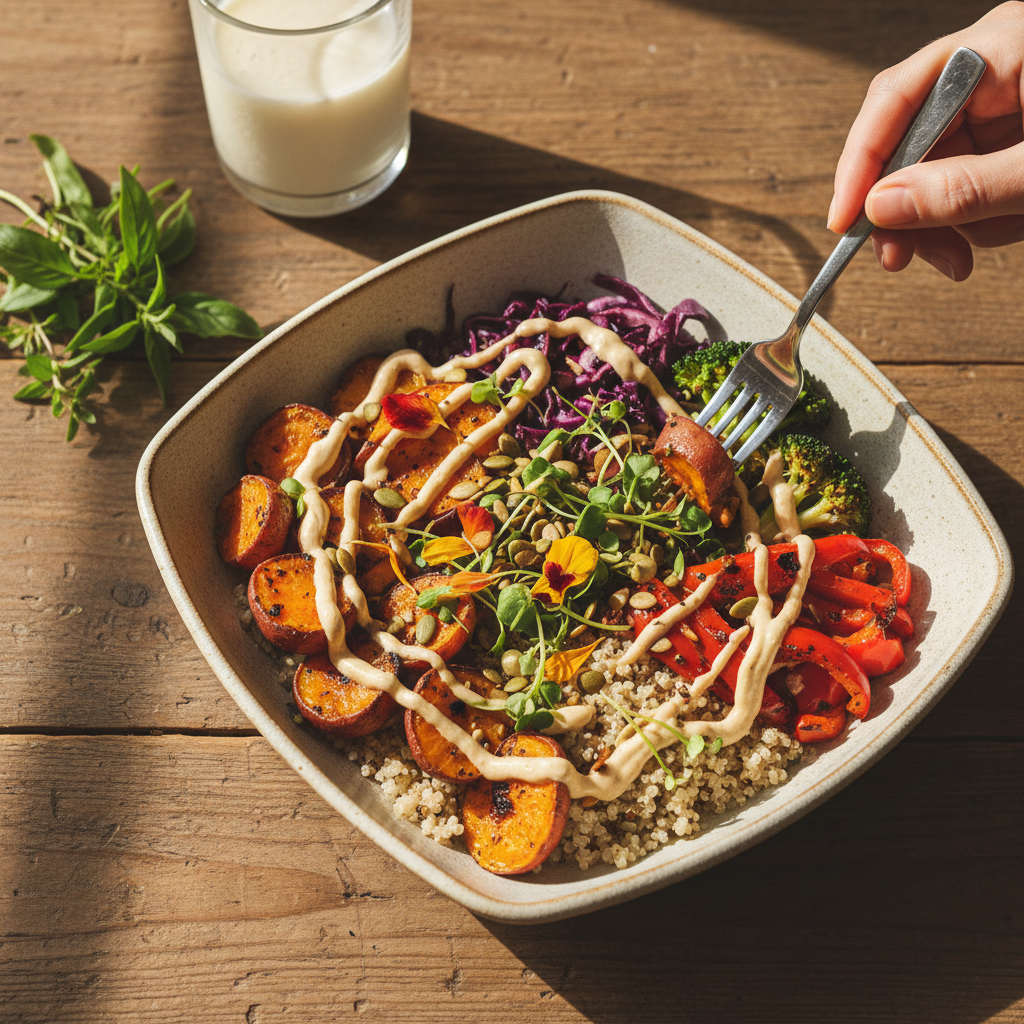
One of the most prevalent myths is that a vegan diet cannot provide enough protein. This misconception likely stems from the belief that meat is the primary source of protein. However, plant-based foods like lentils, chickpeas, quinoa, and tofu are excellent sources of protein. A well-planned vegan diet can easily meet protein needs.
In fact, many athletes and bodybuilders thrive on plant-based diets. By combining different protein sources, vegans can ensure they get all the essential amino acids required for a healthy lifestyle.
Myth 2: Vegan Food is Bland
Another common myth is that vegan food lacks flavor and variety. This couldn't be further from the truth. Vegan cuisine is incredibly diverse, incorporating flavors from around the world. Spices, herbs, and various cooking techniques can bring out delicious flavors in plant-based dishes.
From spicy Indian curries to savory Mexican tacos, vegan food offers endless possibilities for those willing to explore. Creativity in the kitchen can lead to discovering new and exciting flavors that are both satisfying and nutritious.
Myth 3: Vegan Diets Are Expensive
Some people believe that maintaining a vegan diet is costly. While specialty vegan products can be expensive, whole plant foods like grains, beans, fruits, and vegetables are often more affordable than meat and dairy. Shopping seasonally and locally can further reduce expenses.
- Buy in bulk.
- Plan meals in advance.
- Utilize local farmers' markets.
Myth 4: Veganism Is Unhealthy
There's a misconception that a vegan diet lacks essential nutrients, leading to health issues. However, a balanced vegan diet can provide all necessary nutrients, including iron, calcium, and vitamin B12. Supplements and fortified foods can help fill any gaps, ensuring a healthy lifestyle.
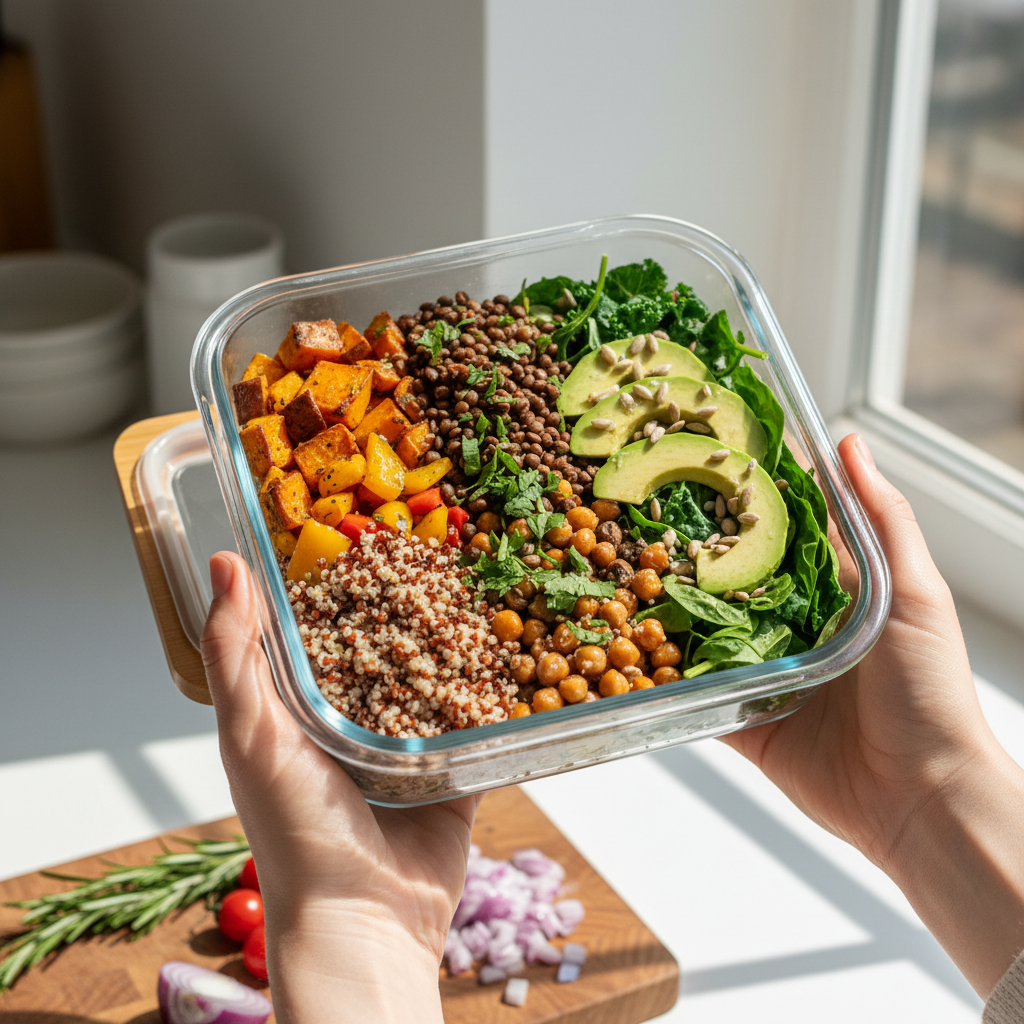
Many health organizations, including the American Dietetic Association, recognize that a well-planned vegan diet is suitable for all stages of life, including pregnancy and childhood. It's important to focus on variety and balance to maintain optimal health.
Exploring the Truth
By debunking these myths, it's clear that veganism is a viable and healthy lifestyle choice. As with any diet, the key is planning and education. Whether you're considering veganism for health, ethical, or environmental reasons, understanding the facts can help you make informed decisions.
Embrace the diversity and richness of vegan cuisine and discover a world of flavors and nutrition waiting to be explored.