
Top Myths About Vegan Diets Debunked by Common Sense Plates & Drinks
NB
In recent years, vegan diets have surged in popularity, yet they remain surrounded by myths and misconceptions. At Common Sense Plates & Drinks, we're here to set the record straight and debunk some of the most common myths about vegan diets.
Myth 1: Vegan Diets Lack Protein
One of the most pervasive myths is that vegan diets lack sufficient protein. The truth is, there are plenty of plant-based protein sources. Foods like lentils, chickpeas, tofu, quinoa, and tempeh are packed with protein and can easily meet daily requirements.
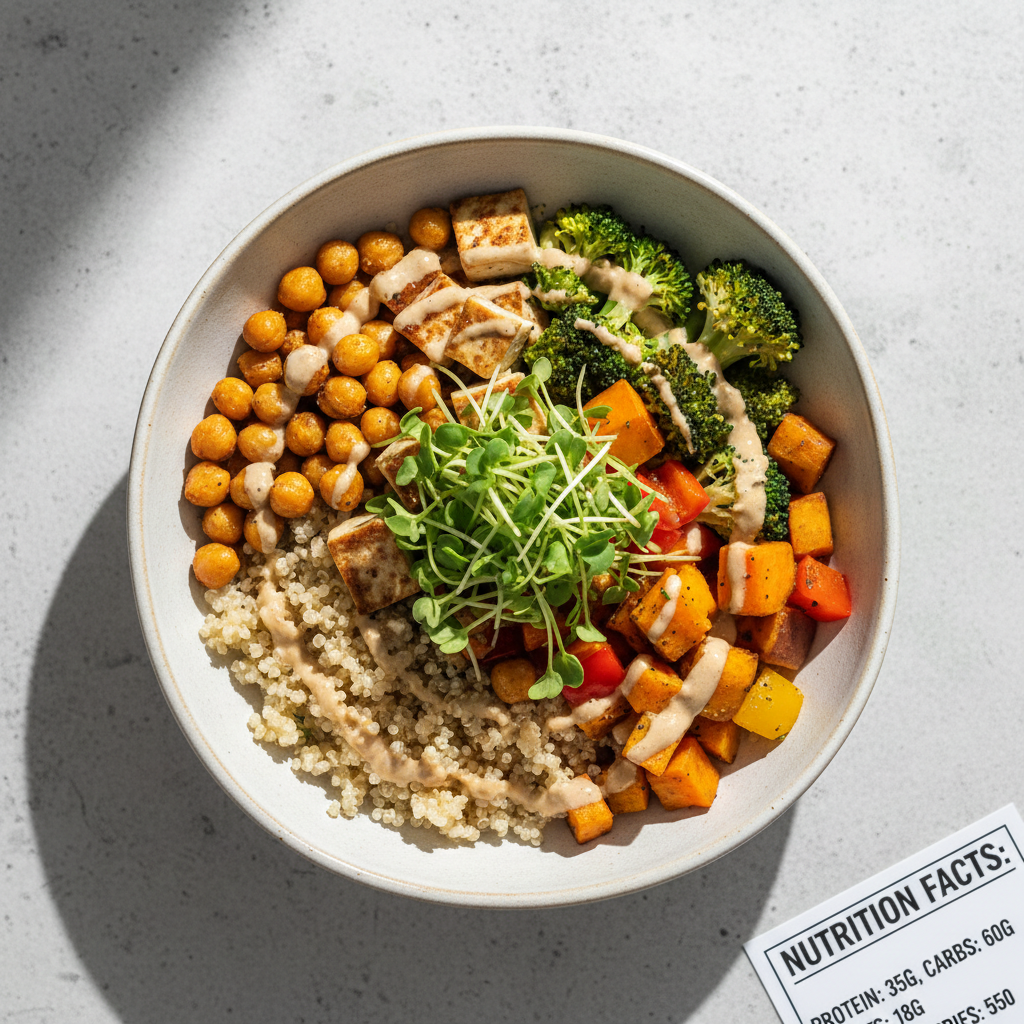
Understanding Protein Needs
Many people overestimate their protein needs. The average person requires about 0.8 grams of protein per kilogram of body weight, which can be easily achieved through a balanced vegan diet. Remember, variety is key to ensuring all essential amino acids are consumed.
Myth 2: Vegan Diets Are Expensive
Another common misconception is that vegan diets are costly. While specialty products can be pricey, a vegan diet based on whole foods like grains, beans, and vegetables is often more affordable than a meat-based diet.

Budget-Friendly Tips
Shopping in bulk, choosing seasonal produce, and cooking at home can significantly reduce costs. By focusing on whole, unprocessed foods, you can enjoy a nutritious diet without breaking the bank.
Myth 3: Vegan Diets Are Not Satisfying
Some believe that vegan meals are bland and unsatisfying. However, with the right spices and cooking techniques, plant-based dishes can be incredibly flavorful and fulfilling. The variety of fruits, vegetables, grains, and legumes offers endless possibilities.

Cooking with Creativity
Experimenting with global cuisines and trying new recipes can enhance meal satisfaction. Incorporating herbs and spices like basil, cumin, and turmeric can elevate any dish, making it a culinary delight.
Myth 4: Vegan Diets Are Nutritionally Deficient
A balanced vegan diet can provide all necessary nutrients. It's important to plan carefully and include a variety of foods to cover nutrient needs such as vitamin B12, iron, calcium, and omega-3 fatty acids.
Supplementation and Fortification
While most nutrients can be obtained from food, some vegans choose to supplement with B12 or use fortified foods to ensure adequate intake. Consulting with a nutritionist can help tailor a diet to specific needs.
At Common Sense Plates & Drinks, we believe that understanding and dispelling these myths allows more people to explore the benefits of a vegan lifestyle confidently. Embrace the diversity and richness of plant-based eating, and enjoy a diet that's good for you and the planet!